
Japanese Management: New Systems, Lasting Values
At a glance
Course Overview
The purpose of this course is to analyze the mechanisms of Japanese management, understand the effects of environmental changes, and consider how Japanese management should evolve in the future. Students will learn to look at management from historical and cultural perspectives.
This course is targeted toward students who want to take a serious look at the core challenges that Japanese management faces as well as the possibilities of Japanese management, and those who want to study the effects of history, culture, and institutions on management.
Course Content
Day 1
Session A
THEME: The Uniqueness of Japanese Management
CASE: N/A
Session B
THEME: The Uniqueness of Japanese Management (Continued)
CASE: Trusco Nakayama Corporation
Day 2
Session A
THEME: The Characteristics, Strengths, and Challenges of Japanese Management
CASE: Knowledge Management Practices at Toyota Motors
Session B
THEME: The Characteristics, Strengths, and Challenges of Japanese Management (Continued)
CASE:
・Toyota Motor Corporation’s Strategy (A)
・Toyota Motor Corporation’s Strategy (B)
Day 3
Session A
THEME: Human Resource Management in Japanese Management
CASE: Ina Food Industry: A Company that Makes Employees Happy
Session B
THEME: The Strengths and Weaknesses of Japanese Companies
CASE: Human Resource Management in Japanese Companies
Day 4
Session A
THEME: Transformation of a Japanese company
CASE: Sony
Session B
THEME: Transformation of a Japanese company (Continued)
CASE: Sony
Day 5
Session A
THEME: How to overcome challenges that Japanese companies face
CASE: AGC Inc. in 2019: “Your Dreams, Our Challenge”
Session B
THEME: How to overcome challenges that Japanese companies face (Continued)
CASE:
・Kumon Hong Kong (A)
・Kumon Hong Kong (B) (to be distributed in class)
・Kumon Hong Kong (C) (to be distributed in class)
Day 6
Session A
THEME: Discovering leadership potential
CASE: Trouble at Tessei
Session B
THEME: Leadership
CASE: Trouble at Tessei
Class Schedule
January 2027 Term
| Session | Date | Day | Time | Format |
|---|---|---|---|---|
| Day 1 | January 9, 2027 | Saturday | 10:00 - 13:00 (GST UTC+4) | In-person |
| Day 2 | January 23, 2027 | Saturday | Online | |
| Day 3 | February 6, 2027 | Saturday | Online | |
| Day 4 | February 20, 2027 | Saturday | Online | |
| Day 5 | March 6, 2027 | Saturday | Online | |
| Day 6 | March 27, 2027 | Saturday | In-person |
About hybrid online/in-person classes:
The first and final classes will be held in-person in Muscat (exact location to be shared with students). Sessions 2 to 5 will be delivered live online. All classes are interactive and require active participation.
Meet the Lecturer
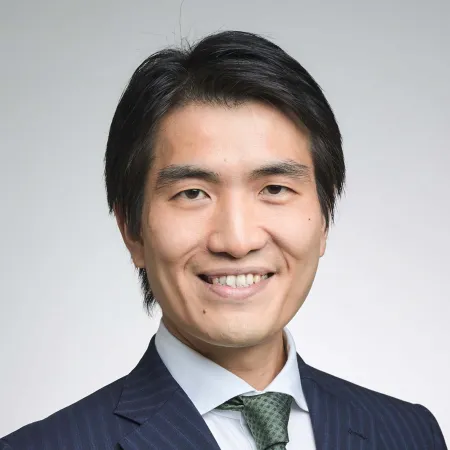
Tadahiro Wakasugi
Faculty, GLOBIS UniversityTadahiro Wakasugi is a faculty member at GLOBIS University. He has significant expertise in leadership development and organizational psychology. Previously, he worked at management consulting firm Booz Allen Hamilton, where he helped companies develop strategies and lead change. His current research topics include compassion and mindfulness. Tad also serves as a non-executive director at Prored Partners CO., LTD.; director at Japan Positive Psychology Association; and director at 100 Years of Life Association. He is a registered yoga teacher (RYT-200). At GLOBIS University, he teaches courses on organizational behavior, leadership development, and business ethics.
Education:
MBA, London Business School MS, Engineering, University of Tokyo
BS, Engineering, University of Tokyo
DBA, Graduate School of International Corporate Strategy, Hitotsubashi University
Get in touch with us
Whether you are exploring your options or preparing to apply, our admissions advisors are here to help. Book a free consultation to discuss our programs, admissions, the study experience, fees and financing, or any other questions you may have.